A few words
About Us
Our Capacity
ADOL has over the last ten years developed from a Community Based Organization (CBO) to a fully legally registered Non-Governmental Organization (NGO) with the current validated registration certificate MIA/NB/2001/02/3155 running up to 2025. ADOL has got a structure consisting of a seven-member Board (4 females, 3 males), 8 full-time staff, 15 volunteers, and 93 community committees. However, in 2019, GIZ-CUSP conducted an Organizational Capacity Assessment (OCA) on ADOL and the findings revealed that, much as ADOL has successfully implemented most of its projects on advocacy (peacebuilding, human rights, and livelihoods) in Karamoja, the strategic plan has not been reviewed to incorporate the current trends of rural development.
Gaps were identified in the overall strategy as a tool and functioning of the board for implementation. GIZ-CUSP recommended for the strengthening of the organizational capacity of ADOL by realigning the strategic plan, its mission, vision, and objectives to meet the needs of the communities, and build the capacity of the board to deliver on their roles and mandates. GIZ-CUSP supported ADOL where its Strategic Plan was reviewed, staff trained in resource mobilization, internal governance, and financial management. ADOL’s policies like Financial Manual, Human Resources Manual, Procurement Manual, and Monitoring and Evaluation System, among others, are under review with support from GIZ-CUSP. Also, policies for cross-cutting issues like HIV/AIDS, Gender, and Environment are being worked on. Therefore, ADOL is now well placed with capabilities of implementing projects of any magnitude.
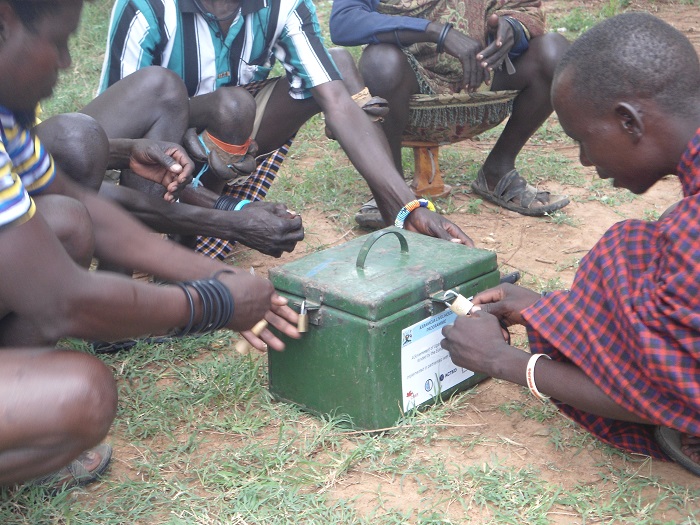
Building Community Resilience
- To live a healthy life and learn how to cope with challenging environments
- Maintain connections to meaningful groups like families, places of worship, and volunteer organizations.
- To help neighbours, families and friends
- To engage in community or neighbourhood preparedness activities.
- To know major causes of poverty and measures of its control.
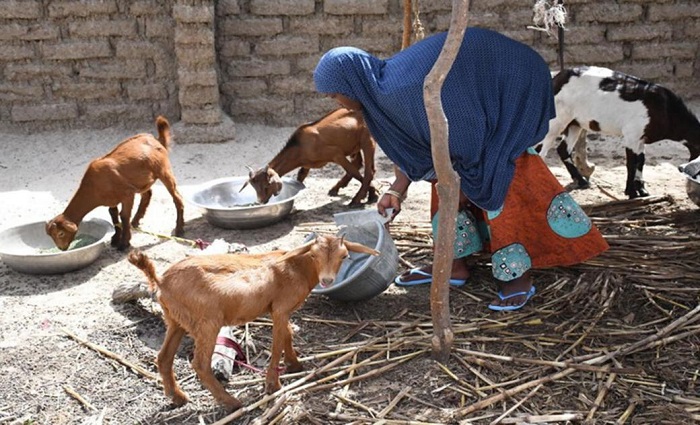
Economic Empowerment
- Building capacity of the groups/individuals in entrepreneurial and business skills.
- Mobilizing the community to acknowledge their rights towards exploring alternative means of livelihood.
- Preparing people for full involvement in community development initiatives.
- Building ADOL’s capacity in implementing income-generating activities.
Human Rights
- Impact of Small Arms on the Population: A case study of Kitgum, Abim, Kaabong and Kotido Districts
- Research and workshop on “Feasible, Peaceful, Participatory and Sustainable Disarmament of the Karamojong
- Small Arms Trafficking in the Border Regions of Sudan, Uganda and Kenya
- Evaluation report “Disarmament of the Karamojong Six Month later, and
- Poverty status in Karamoja: A Report prepared for Ministry of Finance, Planning & Economic Development (MFPED)
- Effects of COVID 19 on the population
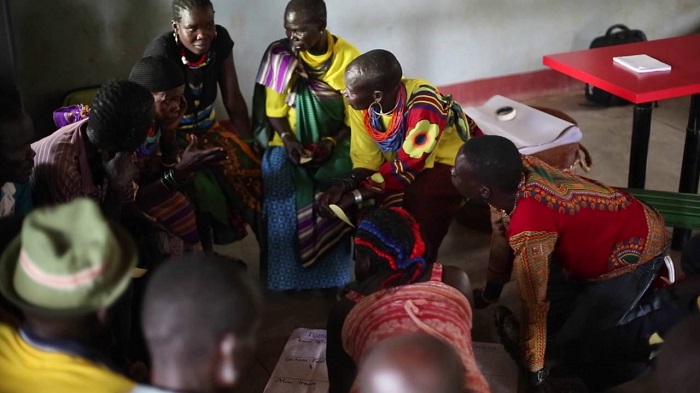
Peace Building
- Involved in the disbarment exercise by negotiating with the Karimojong to surrender their illegal guns;
- Conducted reconciliation meetings amongst warring ethnic groups of Karamoja
- Conducted training in conflict prevention, mitigation, and response mechanism among the various Peace Groups as Peace Negotiators, Peace Reconcilers, and Peace Promoters
- Transformed Elders Councils into centers of Peace-Making in Karamoja
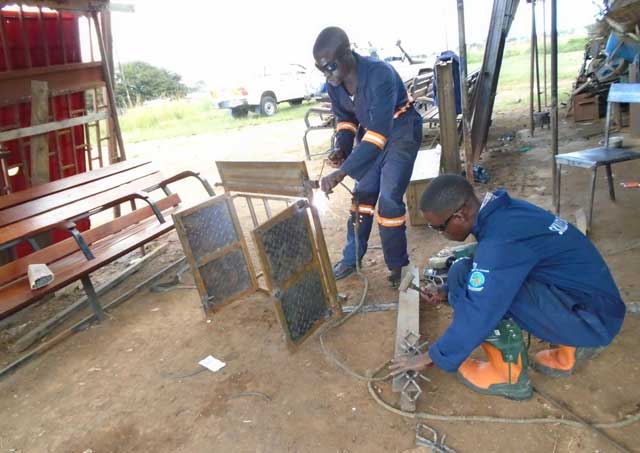
Skills Dev't & Vocational Training
- Continuous stakeholders’ engagement and community mobilization
- Continuous skills gaps and opportunities assessment
- Adaptation/localization of training content, integrated with entrepreneurial packages and conduct trainings-hard & soft skills
- Identification, orientation/TOT of Master Crafts Persons, mapping of Work-based Learning Centers and placement of trainees and apprenticeship
- Placement of trainees in BTVET institutions
- Provision of startup kit and business mentorship support